We Need Answers
You may have questions about development, learning, behaviour, emotions or everyday functioning. A thoughtful assessment can help clarify strengths, needs and appropriate next steps.


Announcement: V-Excel is now officially registered on the NSE Social Stock Exchange (SSE), effective 14 May 2026.
VIEW OUR BROCHURE
A safe place to seek clarity, share what feels difficult and discover the next step together.
Life does not stop because of disability. Whether you are seeking answers, navigating change or simply need someone who understands, our team will meet you where you are—with care, honesty and hope.
Confidential Respectful Person- and family-centred
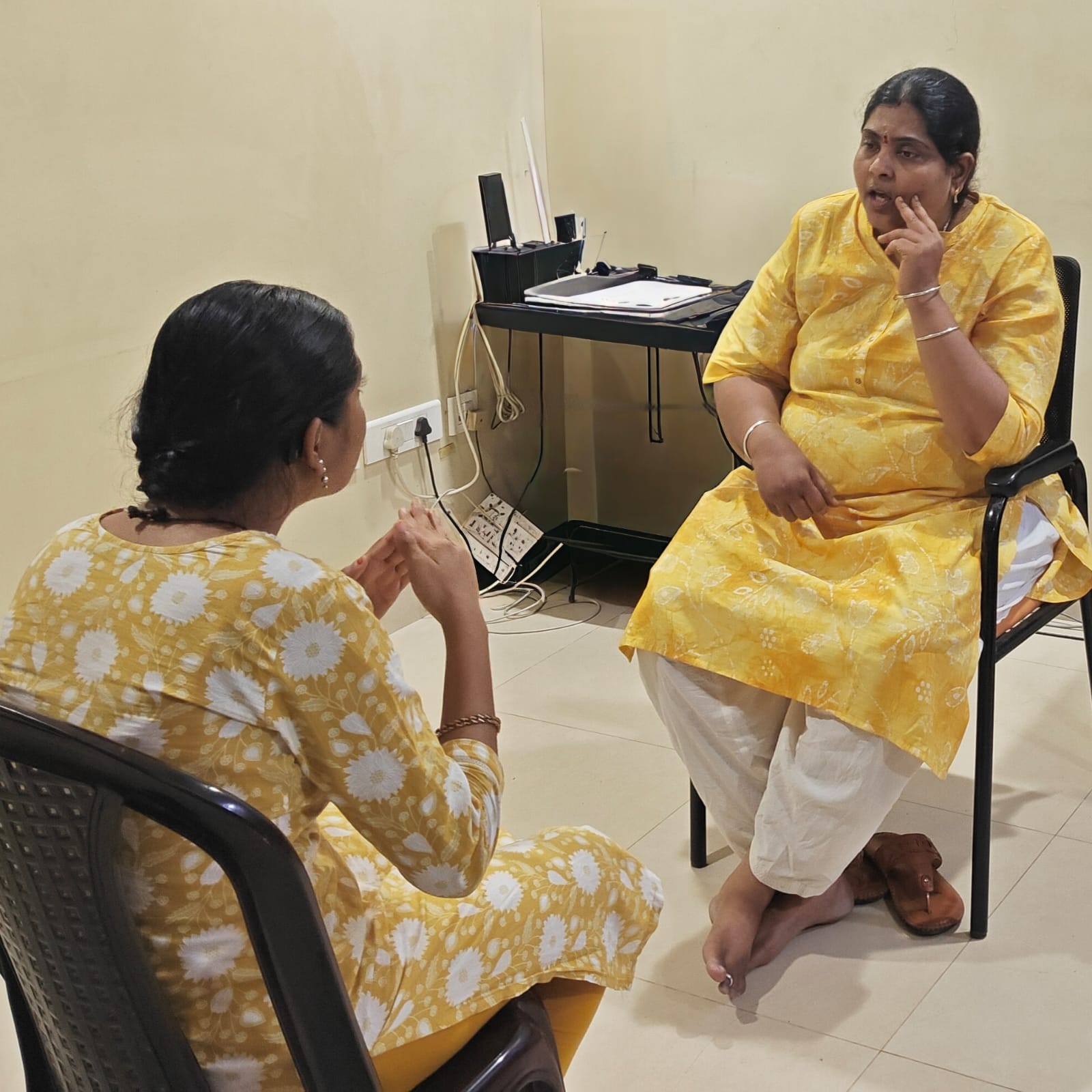
Sometimes we begin with a question. Sometimes with worry, uncertainty or a feeling that something is not quite right. At other times, we may know exactly what is difficult but not know what to do next.
Counselling and assessment can offer a thoughtful place to pause, understand what is happening and consider a way forward. We listen without judgement and work with you at a pace that feels manageable.
We may not always have immediate answers. What we can offer is a relationship built on trust, respect and honest conversation. We will never compromise on hope.
You do not need to know the name of a service. Begin with what you are experiencing.
You may have questions about development, learning, behaviour, emotions or everyday functioning. A thoughtful assessment can help clarify strengths, needs and appropriate next steps.
Anxiety, low mood, stress, conflict, grief, parenting concerns or difficulties at school, home or work can feel overwhelming. Counselling offers space to make sense of what is happening.
Individuals and families may need support with relationships, participation, self-advocacy and finding a meaningful place in school, work and community life.
Personal growth can involve greater self-understanding, confidence, independence, communication, decision-making or preparation for a new role or responsibility.
Language, culture, family values and lived experience shape every conversation. We work to understand your context rather than asking you to fit into a standard response.

But they are always worth the conversation.
We create space for difficult questions without rushing towards easy reassurance. Together, we explore what is possible now and what the next meaningful step may be.
Disability affects more than one person. Our work therefore extends to the people and environments that shape everyday life.

Support for emotional wellbeing, self-understanding, relationships, transitions, choice and participation.

A place to process concerns, strengthen coping, understand needs and make thoughtful decisions.
Support for siblings, couples and extended families as roles, relationships and expectations evolve.

Guidance that helps build understanding, inclusion and more supportive environments.
We consider the whole person—their strengths, relationships, environment, communication, culture, language and priorities. The same concern can look very different in different lives, and support must reflect that reality.
Our psychologists and counsellors draw upon appropriate, evidence-informed approaches while remaining attentive to the person in front of us.
The journey may vary, but you can expect clarity, participation and respect at every stage.
Tell us what is concerning you and what you hope to understand or change.
We identify whether counselling, assessment, consultation or another form of support would be most useful.
We agree on a clear, individualised way forward, including goals, expectations and practical next steps.
We reflect on progress and adapt the support as circumstances, priorities and needs change.
No. Individuals and families may contact us directly. We can begin by discussing your concerns and the kind of support that may be appropriate.
No. We support individuals with disabilities as well as parents, caregivers, siblings, couples, educators, employers and others navigating emotional, relational or life challenges.
Assessment may address psychological, developmental, educational, behavioural or functional concerns. The specific tools used depend on the question being explored and the person's age and needs.
Confidentiality is central to our work. At the beginning, the professional will explain how information is protected and the limited circumstances in which disclosure may be legally or ethically required.
Yes, when this is helpful and appropriate. Support may involve individual sessions, parent or caregiver consultations, family conversations or collaboration with other important people in the person's life.
Begin with a conversation. We will listen, help you understand the options and decide the next step together.
Together, we can help every child discover their strengths, build confidence and embrace the joy of learning.